

























 Featured
10.0
Independent & unsponsored · No ads, no tracking · verified every 6 hours
FixedFloat is a fully automated cryptocurrency exchange service that has operated since 2018. The platform emphasizes speed and simplicity: users select a currency pair, choose fixed or floating rates, and complete swaps without creating an account. Registration remains optional-required only for order history access. The service is non-custodial, meaning it does not store user deposits; exchanges execute automatically once incoming transactions receive required blockchain confirmations.
The platform supports 68+ cryptocurrencies including Bitcoin (BTC), Monero (XMR), and Bitcoin Lightning Network (LN), alongside Ethereum, Solana, various stablecoins, and altcoins across multiple chain standards. As of 2026-05-30, FixedFloat continues operating after a significant 2024 security incident and subsequent relaunch.
FixedFloat markets itself as no-KYC and does not mandate identity verification for standard swaps. Users can exchange without registration, email, or personal documentation. However, the platform employs what external monitors classify as "Shotgun KYC"-automated risk screening that may flag transactions as suspicious. When flagged, orders can be suspended and funds frozen pending manual review. This creates a conditional privacy model: most users swap anonymously, but a subset encounters intervention.
The Terms of Service and AML policies reserve broad rights to request additional information, block transactions, and cooperate with authorities. Optional account creation exists for users wanting order history, though this introduces a persistent data trail. The exchange does not appear to collect IP addresses or require VPN disclosure, though standard web logging likely occurs.
FixedFloat's non-custodial architecture reduces honeypot risk-user funds are not pooled in exchange wallets long-term. However, the platform suffered two security breaches in 2024 totaling approximately $28 million, attributed to repeated exploits by the same attackers. Post-incident, FixedFloat relaunched with a "V2" security overhaul including air-gapped settlement systems, automated scanning, and enhanced two-factor authentication.
The 2024 hacks represent a significant trust deficit. While the service resumed operations and implemented structural improvements, the recurrence of compromise by identical threat actors suggests persistent vulnerability. Users should treat recovery claims cautiously and avoid large exposures. Phishing remains an external risk-copycat domains (e.g., "fixedfloet," "fixedfioat") target FixedFloat users specifically, indicating brand recognition among scammers.
FixedFloat operates crypto-to-crypto only-no fiat on-ramps or off-ramps exist. Supported payment methods are limited to cryptocurrency deposits across supported networks.
Fee structure is transparent and dual-tier:
Additional miner/consolidation fees apply and are embedded in the displayed total. Small-amount swaps may show effective spreads of 10-20% due to network consolidation costs, making the service uneconomical for micro-transactions. Minimum swap amounts start around $1 equivalent.
The platform offers an API for personal and commercial use, with separate terms for affiliate program integration versus standalone commercial access.
The interface supports 12+ languages including English, Spanish, German, French, Portuguese, Russian, Polish, Dutch, Ukrainian, Turkish, Italian, Chinese, Korean, and Japanese. The swap flow is streamlined: select send/receive currencies, choose rate type, input destination address, and deposit to the generated address.
Trustpilot hosts approximately 2,195 reviews, though platform integrity warnings apply. Reddit and Bitcoin Forum threads contain mixed sentiment-some users report successful rapid swaps, others allege frozen funds or unresolved support tickets. The automated nature means no human negotiation; disputes route through ticket systems with variable response times.
API documentation exists for developers, with tiered access for personal use, commercial affiliate use, and commercial non-affiliate use.
FixedFloat suits privacy-focused users needing rapid, small-to-medium crypto-to-crypto conversions without account creation. Bitcoin Lightning Network integration makes it particularly relevant for fast, low-cost BTC transfers. Traders requiring locked rates for brief windows benefit from the fixed-rate option.
It is poorly suited for: large-volume transactions given security history, users needing fiat conversion, those requiring guaranteed non-intervention (due to conditional KYC triggers), or cost-sensitive micro-transaction users affected by consolidation fee scaling.
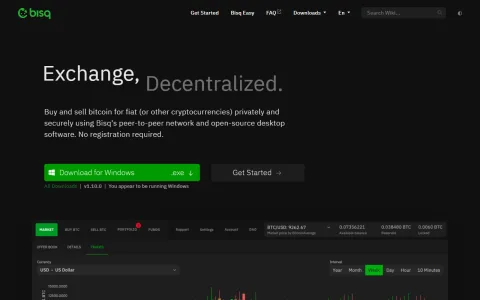
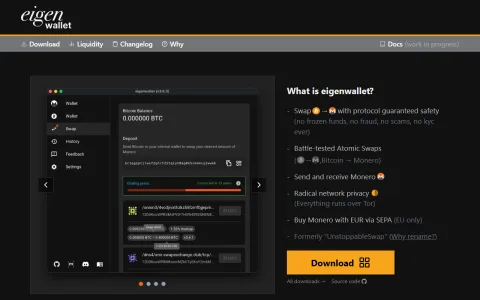
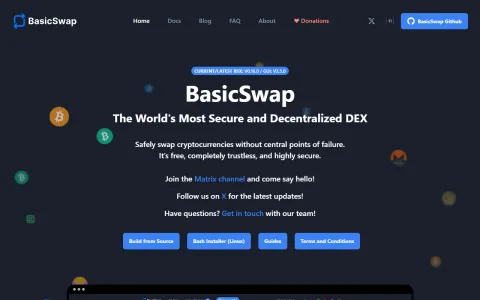
Alternatives like decentralized exchanges (DEX) or atomic swaps offer stronger non-custodial guarantees, while competing instant exchangers may provide more consistent no-KYC policies without automated flagging systems.
Light identity checks on signup.
FixedFloat advertises no-KYC operation but implements automated transaction monitoring that may trigger manual review and fund freezing. Optional account creation stores order history; non-registered swaps leave no persistent account trail but deposit/withdrawal addresses are visible on-chain. The 2024 security breaches exposed operational risks but no evidence suggests deliberate data mishandling.
No
Custodial
No
Requires email
No
Logs IP
Verdict
FixedFloat fits users prioritizing speed and convenience for routine crypto swaps who accept the tradeoff of conditional privacy and recent security history. For unconditional anonymity, pure P2P or atomic swap alternatives remain preferable; for institutional reliability, regulated exchanges with insurance carry lower counterparty risk.
This review is monitored and refreshed regularly.
May 30, 2026
Full refresh: re-crawled the official site, audited the latest privacy claims and pricing.
September 12, 2025
Added 2024 security breach details and V2 relaunch information from third-party coverage.
July 7, 2025
Updated supported currency count to 68+ and expanded chain standards per current listings.
April 19, 2025
Revised KYC classification from prior rating to reflect conditional automated enforcement.
February 28, 2025
Initial review published.
9 user reviews
moneromaxi
swapped xmr to btc lightning in under 3 minutes, no account needed. the 0.5% float rate was fair but watch out for small amounts where network fees eat you alive.
anon_trader
used fixedfloat maybe 20 times over two years. never had an issue, never registered. the fixed rate lock is genuinely useful during volatility.
privacyfirst
had a swap flagged for 'suspicious activity' and funds frozen for 48 hours. eventually released but the shotgun kyc is real, not truly no-kyc in practice.
xmr_only
reliable for monero exits and entries. the 2024 hack made me nervous but i keep amounts small and rotate addresses. interface is clean.
sat_stacker
lightning integration works well but their consolidation fee math is opaque on tiny swaps. lost like 15% on a $5 test transaction.
cypher_punk
two hacks in one year by the same people? hard to trust their security claims now even with the v2 overhaul. moved to atomic swaps.
quick_flip
best ux of any instant exchanger ive tried. multi-language support is solid, api works for my automation. no complaints in 50+ swaps.
trust_but_verify
service functions as advertised but the trustpilot reviews seem inflated. reddit has real horror stories mixed with praise. proceed with caution on larger amounts.
ln_router
lightning to onchain btc swaps are their killer feature. most competitors dont handle ln well. fees are reasonable above $50 equivalent.