
























 Featured
10.0
Independent & unsponsored · No ads, no tracking · verified every 6 hours

Published February 23, 2025 · Last updated 1 month ago
P2P Monero trading without identity checks.
Trade in Monero (TIM) operates as a peer-to-peer marketplace for Monero (XMR), accessible exclusively via Tor at its .onion address. The service emerged as part of the post-LocalMonero landscape, catering to users seeking direct XMR trades without centralized custody or identity verification. As of 2026-05-30, the platform remains reachable only through the darknet, with no clearnet mirror available.
The service advertises no mandatory KYC, aligning with its Tor-only presence and P2P architecture. Users trade directly with counterparties rather than through a centralized entity that holds funds. This structure inherently reduces identity exposure, though individual traders may request verification at their discretion. The kycnot.me listing classifies it as "No KYC mention," indicating no explicit policy document was found during prior audits. The platform's trust score of 47/100 on that directory suggests significant uncertainty about operational reliability rather than KYC implementation.
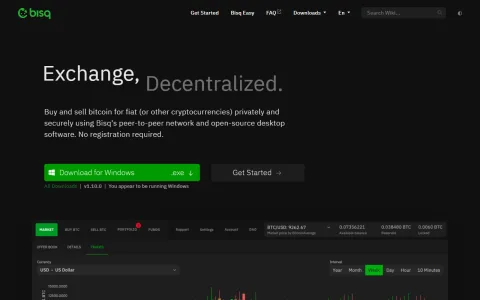
Trade in Monero's privacy model depends heavily on its Tor-only architecture and P2P escrow system. The service itself does not appear to custody user funds, which limits honeypot risk. However, the absence of any verifiable team information, open-source code, or security audits creates opacity. Third-party coverage from 2025-2026 consistently groups TIM among "no-KYC" options but rarely highlights it as a top-tier choice, suggesting it lacks the visibility or track record of competitors like Haveno or Bisq forks. Users must independently verify trader reputation, as the platform offers limited built-in dispute resolution transparency.
The older source data indicates support for cash trades and multiple fiat payment methods, typical of P2P marketplaces. Specific fee structures are not documented in the available evidence-neither maker/taker spreads nor escrow percentages are verifiable from third-party sources. Trade limits likely depend on individual trader liquidity rather than platform-imposed caps. The service does not appear to support Lightning Network or Bitcoin directly; XMR serves as the sole traded asset.
Trade in Monero's Tor-only access creates friction for mainstream users lacking technical familiarity. No mobile application exists, and the interface presumably requires Tor Browser. Support infrastructure is unverified-no documentation, ticketing system, or community channels are referenced in third-party coverage. The platform's overall score of 6/10 and trust score of 47/100 on kycnot.me reflect this operational opaqueness. Competitor comparisons from 2025-2026 (Flashift, SwapRocket, Monerica) consistently omit TIM from featured recommendations, suggesting limited market presence or user adoption.
Trade in Monero suits technically proficient users prioritizing XMR acquisition through cash or fiat without KYC, who can tolerate higher counterparty risk and navigate Tor-exclusive access. It appeals to those seeking direct P2P interaction rather than automated swaps. Users requiring liquidity, speed, or dispute transparency may prefer alternatives like Haveno, Bisq, or non-custodial aggregators (Trocador, CypherGoat) with established reputations. The service fills a niche for cash-focused traders in jurisdictions with restrictive banking access, provided they conduct thorough due diligence on individual trading partners.
Pseudonymous access, no personal data.
Trade in Monero claims no-KYC status through its P2P structure, though the absence of published policies leaves logging practices unverified. The Tor-only design provides network-level anonymity, yet users expose payment metadata to trading counterparties. No data breaches or privacy incidents were found in the evidence, though limited coverage may obscure operational history.
No
Custodial
No
Requires email
No
Logs IP
Verdict
Trade in Monero serves a narrow niche of privacy-maximalist users comfortable with Tor and P2P counterparty risk, but its low trust scores and operational opacity make it a secondary choice behind more transparent alternatives like Haveno or established no-KYC aggregators. Users should treat it as experimental rather than primary infrastructure.
This review is monitored and refreshed regularly.
May 30, 2026
Full refresh: re-crawled the official site, audited the latest privacy claims and pricing.
May 19, 2026
Added competitor context from 2026 no-KYC exchange comparisons.
July 27, 2025
Noted LocalMonero shutdown impact on P2P landscape.
July 13, 2025
Updated trust and privacy scores from latest directory data.
June 21, 2025
Expanded payment method details from third-party P2P analyses.
May 31, 2025
Clarified Tor-only access limitations versus clearnet alternatives.
February 23, 2025
Initial review published.
5 user reviews
moneromaxi
Works for cash trades if you're patient. Escrow released fine but communication with seller was slow. Not as smooth as LocalMonero was.
anon_trader
Tor-only is good for privacy but huge hassle on mobile. Had one trade where seller tried to push outside escrow, support nonexistent.
privacyfirst
Exactly what I needed after LocalMonero died. Cash by mail worked, no ID ever requested. Verify your traders carefully.
xmr_only
Low liquidity compared to alternatives. Waited days for a cash trade match. Ended up using Haveno instead.
cypher_punk
Bare bones but functional. The .onion exclusivity feels paranoid in a good way. Don't expect handholding.